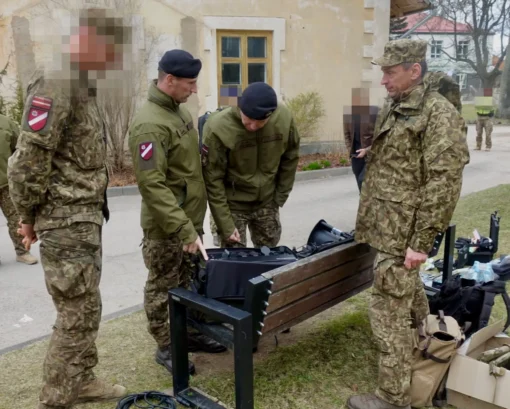
The NATO Innovation Range Latvia offered compelling evidence of how rapidly modern warfare is evolving, and how the defense market is failing to keep pace with these changes.
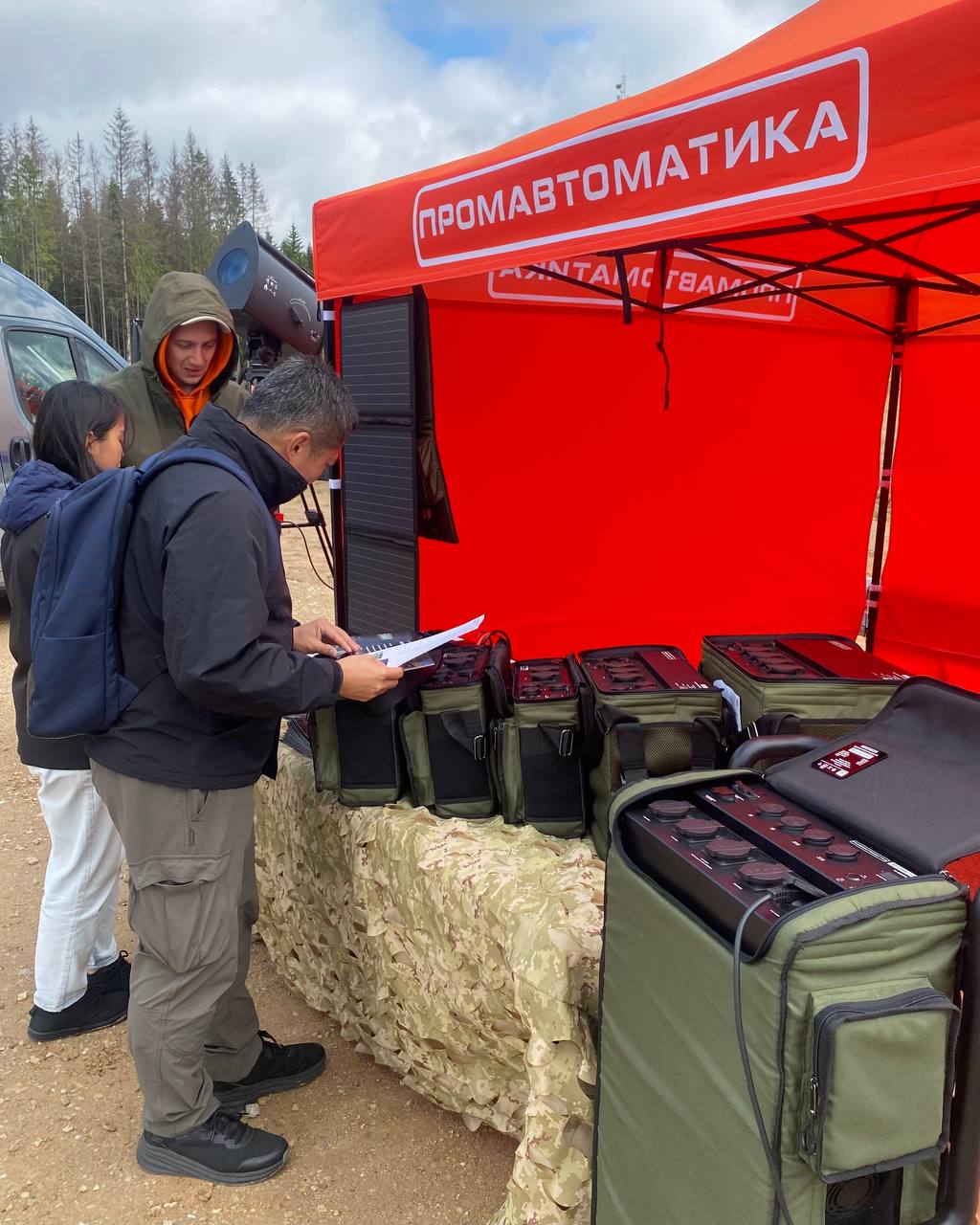
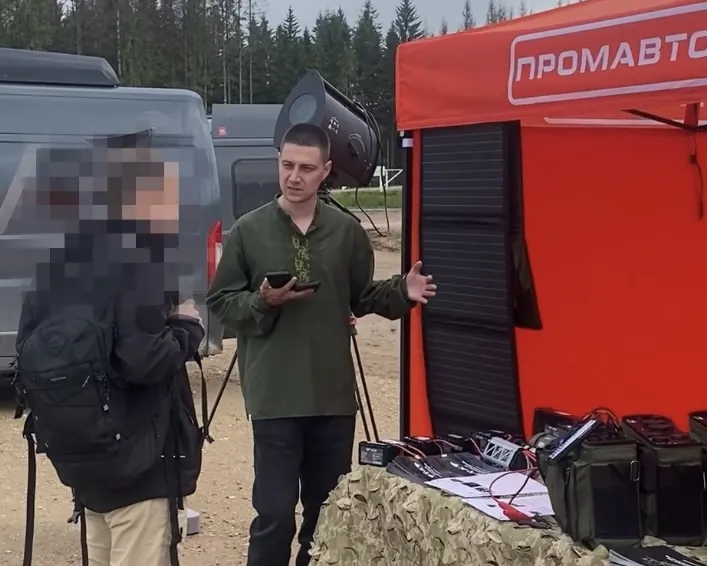
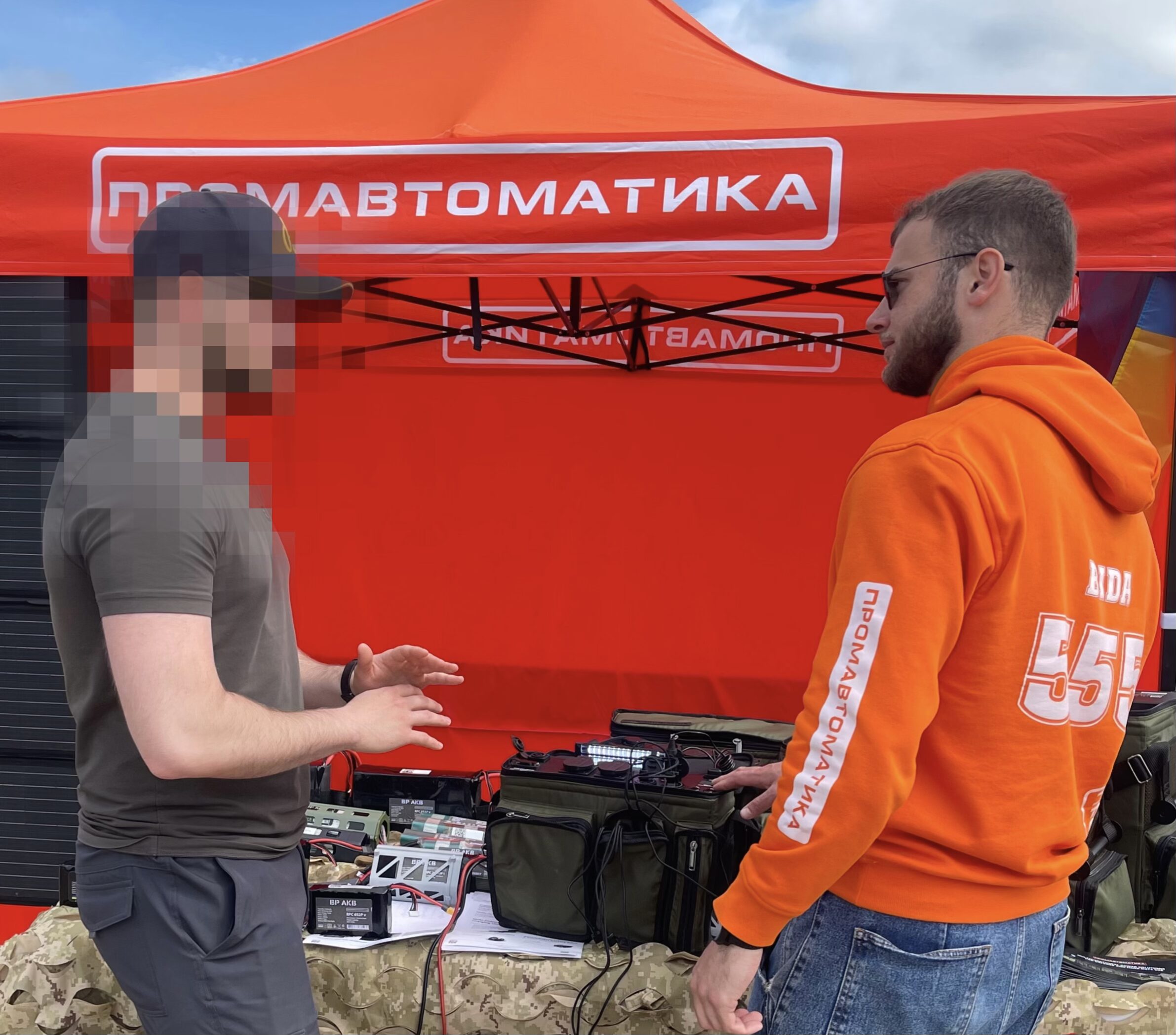
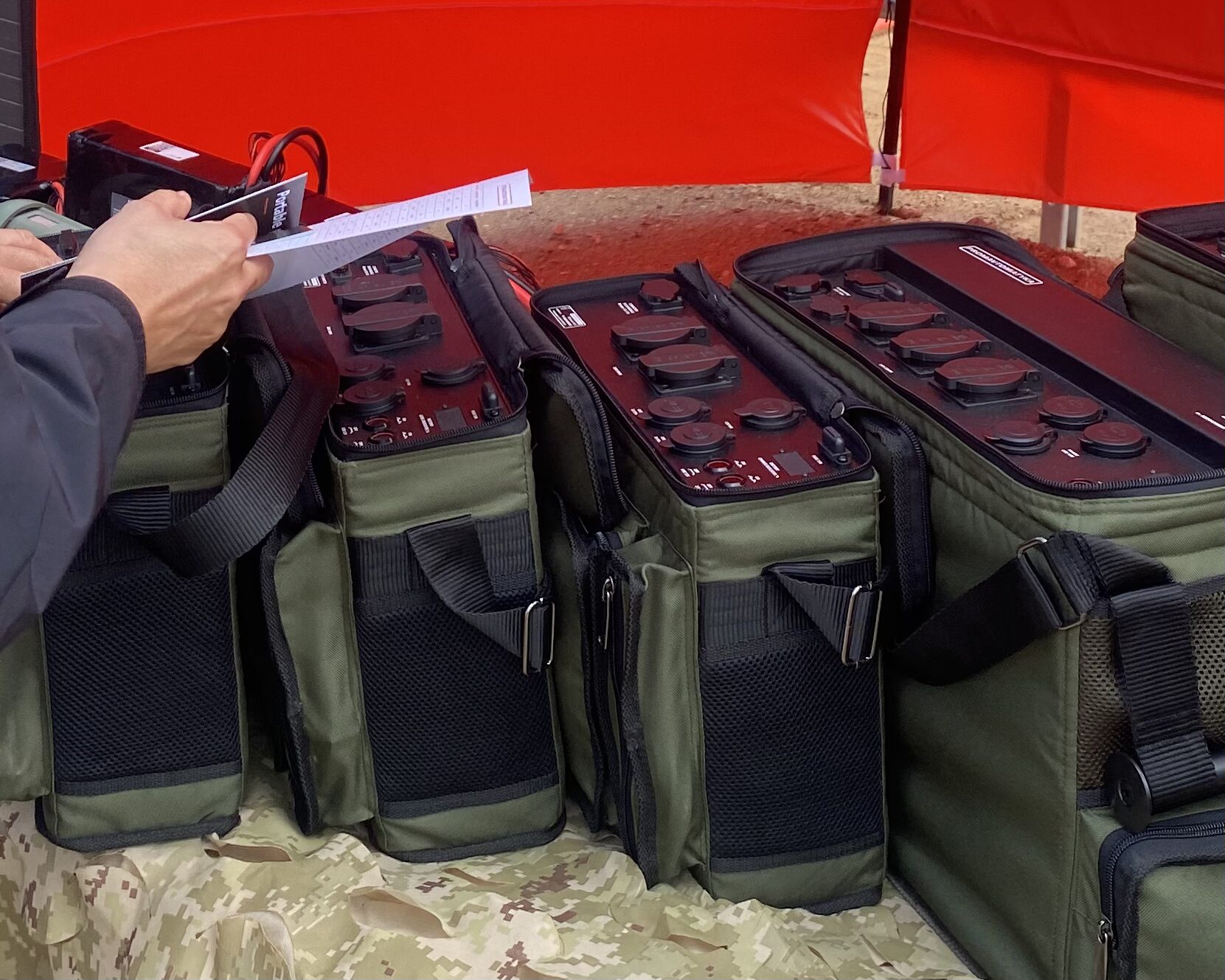
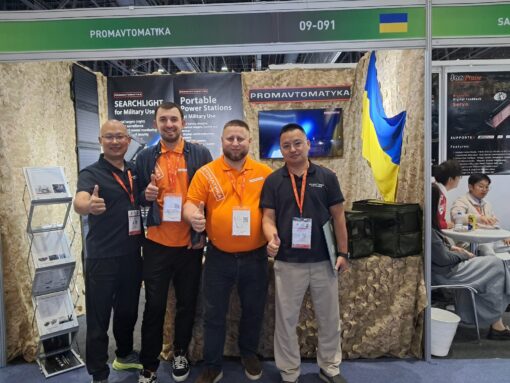
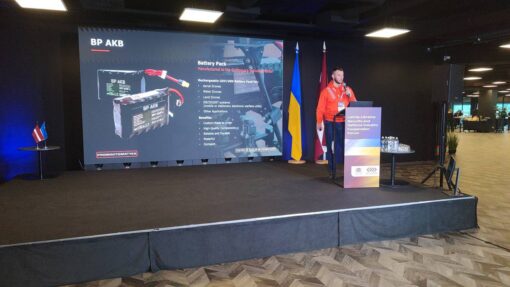
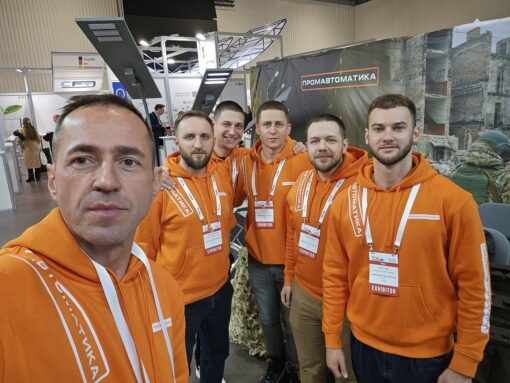
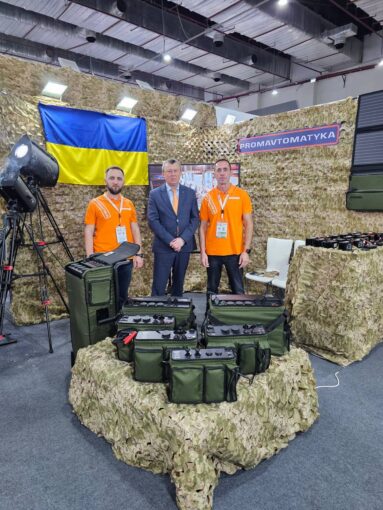
At this NATO-sponsored event, our team presented BP Power, BP Flashlight, and BP AKB — solutions that have been field-tested in real combat conditions over the past four years.
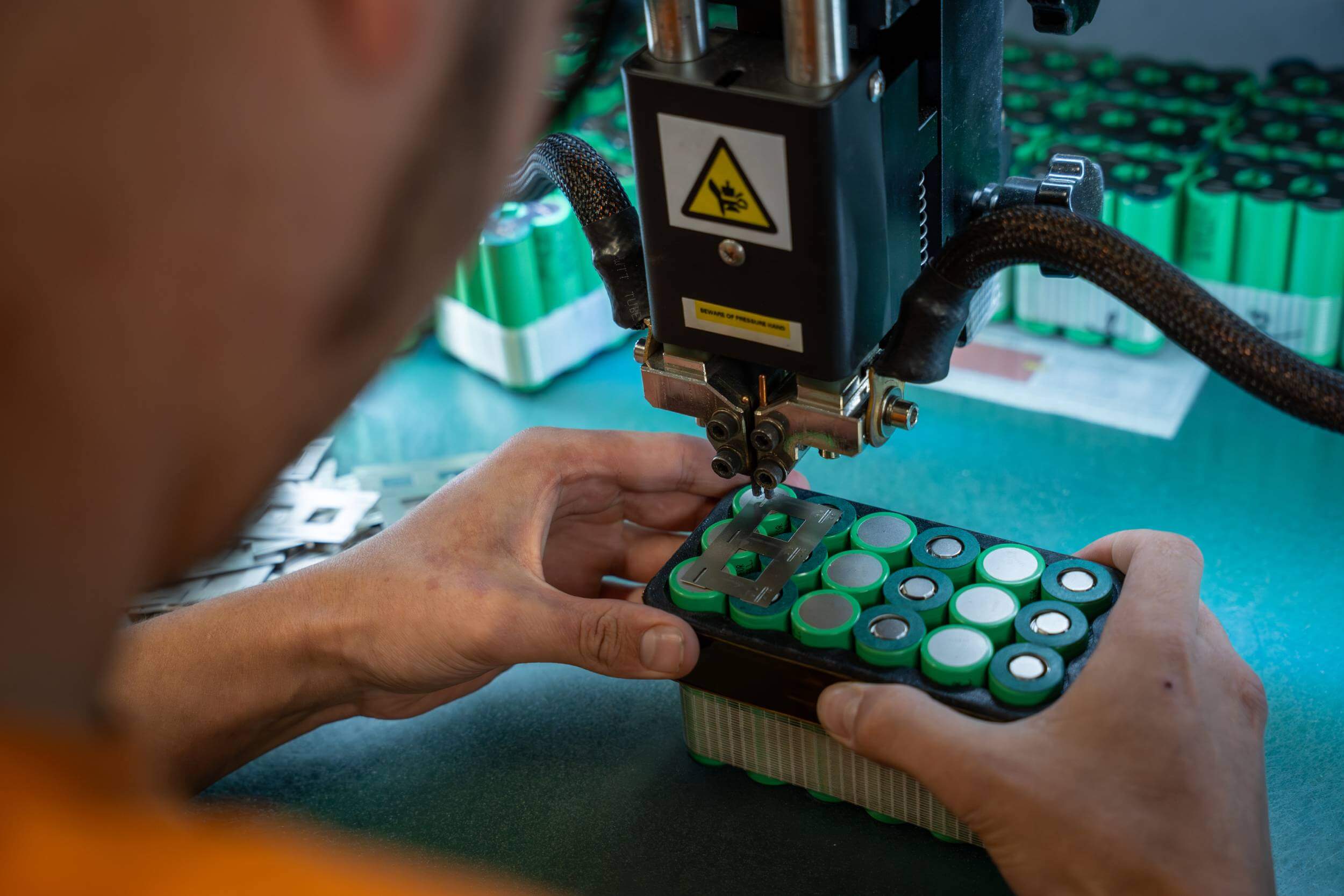
This time, the greatest interest was drawn to BP AKB for unmanned systems. The reason is obvious: a significant portion of the European market still relies heavily on Chinese components and continues to face battery quality issues.
One notable observation from the event was the lack of attention given to power supply. In many countries, the focus remains primarily on the weaponry itself. In practice, however, it is the power supply that ensures the operation of communications, command posts, control systems, monitoring, and drones.
At the same time, interest in BP Power remains quite high. Many solutions in Europe are still built around diesel generators — which are loud, highly visible, and not always effective in modern combat conditions.
Another pain point discussed was bureaucracy. Market representatives spoke openly about complex procedures, approvals, and restrictions that slow down the integration of new technologies. The industry is coming to recognize that such inertia no longer matches today’s operational tempo.
Some companies cannot even fully test their solutions in their home countries due to excessive red tape. This clearly illustrates the gap between the speed of technological innovation and the system’s ability to adapt.
Also worth noting were advancements in target detection systems — ranging from frequency-scanning solutions to acoustic sound analysis.
Additionally, the number of advanced prototypes in the areas of interceptor, jet-powered, and strike drones stood out.
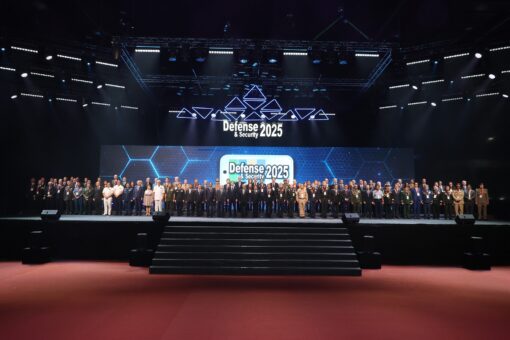
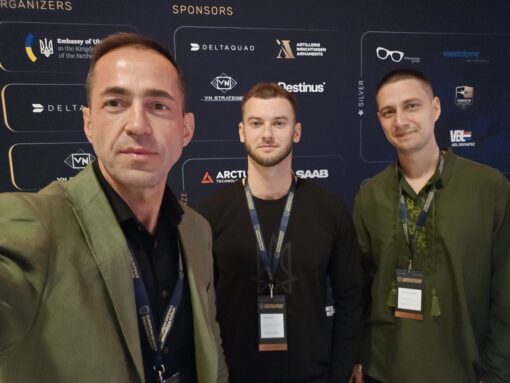
Participants at the event included companies from Latvia, the Netherlands, Germany, Poland, Singapore, France and Sweden.